 Damp Proofing Ammanford
What is rising damp?
Rising damp is groundwater drawn up through a wall by capillary action, the same way a paper towel pulls up a spill, according to the Property Care Association. It happens because the damp-proof course, a physical barrier built into the wall near ground level, has failed or was never fitted in the first place.
It only ever affects the lower part of a wall, usually up to around a metre high, and it's one of three damp types alongside penetrating damp and condensation. Getting the right diagnosis matters, since the fix for each is different.
Signs of rising damp
How rising damp is treated
The standard fix is a chemical damp-proof course, injected into the mortar near the base of the wall to create a new water-repellent barrier. The plaster above it often needs replacing too, because the salts drawn up with the moisture stay in the wall even once the damp itself is dealt with.
Costs vary with the length of wall affected and how much replastering is needed. Our damp proofing cost guide breaks this down by job type, with real local and UK price ranges.
Why older Welsh homes are more at risk
Wales has the oldest housing stock in the UK, and age is the biggest factor behind rising damp risk. In England, 10.3% of homes built before 1919 had damp problems in 2020, against just 1% of homes built after 1981, according to a UK Parliament Commons Library briefing.
10.3%
Homes built before 1919 with damp problems in 2020
1%
Homes built after 1981 with damp problems in 2020
Closer to home, the Welsh Housing Conditions Survey found rising damp specifically in 2% of all Welsh dwellings, a good number of them in the older terraces and cottages common across Ammanford and the Amman Valley.
2%
Welsh dwellings with rising damp specifically
Common questions
Can you treat damp yourself?
Small, early-stage condensation can often be managed with better ventilation. Rising damp is different: DIY damp-proofing creams and paints can hide the problem for a while without fixing what's causing it, so it tends to come back.
Can you treat rising damp without removing plaster?
Sometimes, if it's caught early and the plaster hasn't absorbed much salt. In most cases the plaster near the base of the wall has to come off, because the salts drawn up with the damp stay in it even after a new damp-proof course goes in.
How to get rid of damp fast?
There's no real overnight fix for rising damp. It needs a damp-proof course injected, then time for the wall to dry out, which can take several weeks. Condensation is the one type where quick wins like ventilation and dehumidifiers actually help fast.
What are the first signs of damp in a house?
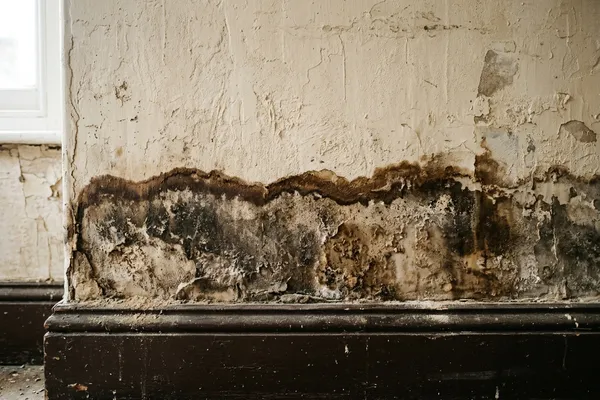
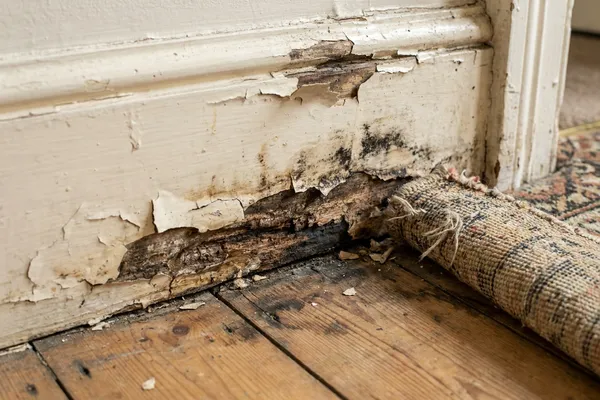
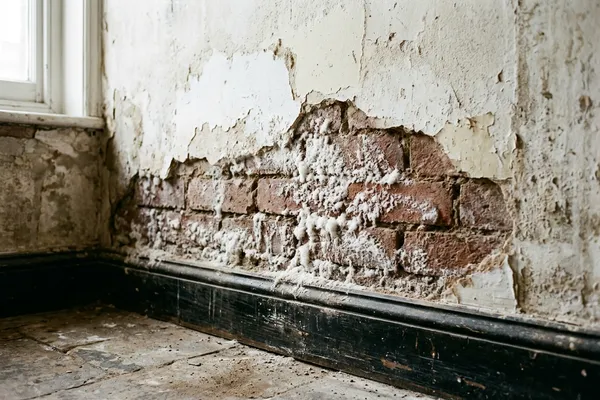
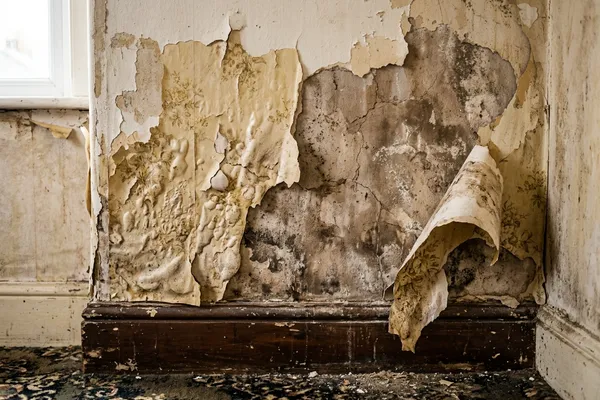
For rising damp specifically: a stained tide mark low on the wall, skirting boards that feel soft or are rotting, white powdery salts on the plaster, and paint or wallpaper peeling near the floor. A musty smell and black mould point more toward condensation or penetrating damp.