
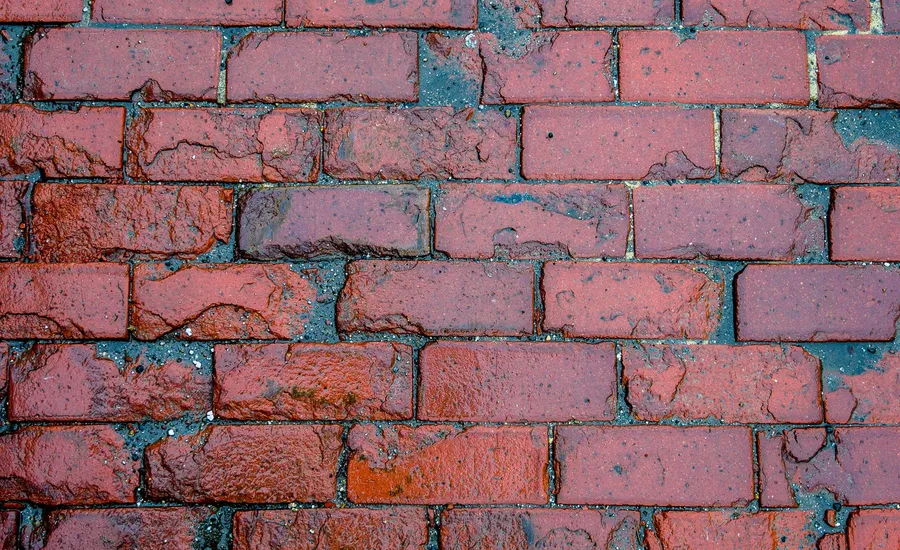
What is penetrating damp?
Penetrating damp is rainwater passing through a wall or roof from the outside in, according to the Property Care Association. Unlike rising damp, it isn't confined to the base of a wall; it can appear anywhere water finds a way in, and it's usually traced back to a specific defect rather than a general failure.
The Property Care Association groups the causes into four areas: gutters and pointing that haven't been kept up, weathered render, brick or mortar, cracks from structural movement, and design features (parapets, solid walls without a cavity) that trap water against the building. It's one of three damp types alongside rising damp and condensation, and getting the diagnosis right matters, since the fix for each is different.
Signs of penetrating damp
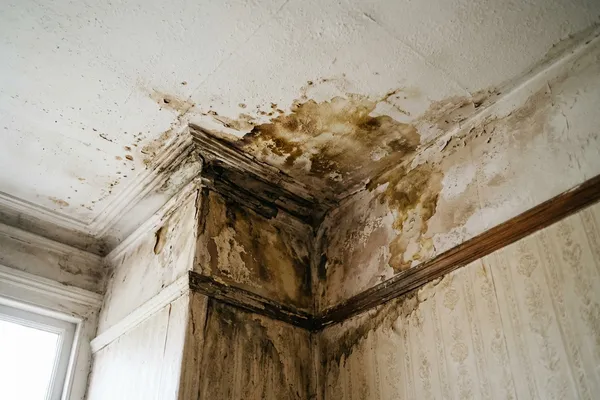
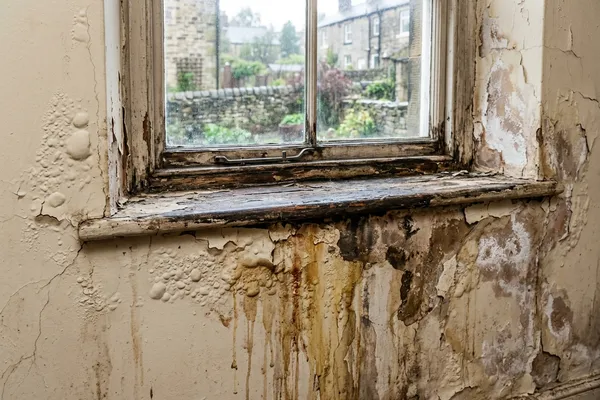
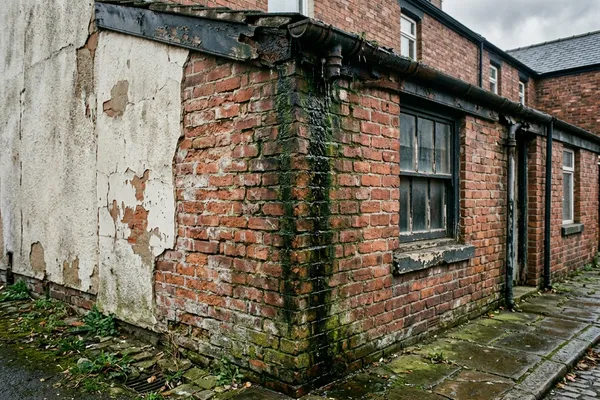
How penetrating damp is traced and fixed
The starting point is finding where the water is actually getting in, not just treating where the patch shows up. The Property Care Association's own guidance is that the source has to be identified and the water's path through the building traced, since a stain inside can trace back to a defect some distance away outside.
Once the source is found, the fix is usually straightforward: repairing or replacing whatever's failed, cracked render, a damaged gutter, failed pointing, then letting the wall dry out and addressing any rot or decay the water's already caused. Costs vary a lot depending on what's actually wrong. Our damp proofing cost guide has real local and UK price ranges by job type.
How common it is locally
The Welsh Housing Conditions Survey found penetrating damp specifically in around 4% of Welsh dwellings, roughly double the rate of rising damp. Older properties around Ammanford and the Amman Valley, with solid walls, ageing pointing and cast-iron guttering that needs regular upkeep, carry more of the maintenance-related causes the PCA describes than newer builds do.
4%
Welsh dwellings with penetrating damp specifically
Common questions
How do I tell penetrating damp from rising damp?
Location's the biggest clue. Rising damp only ever affects the lower metre or so of a wall, right where it meets the ground. Penetrating damp can show up anywhere, on a ceiling, high on a wall, or around a window, and it usually gets noticeably worse after heavy rain rather than being a constant tide mark.
Does penetrating damp go away on its own?
No. It needs the actual entry point, a cracked render, a blocked gutter, damaged pointing, found and repaired. The patch might look better in a dry spell, but it comes back with the next heavy rain until the underlying defect is fixed.
Can penetrating damp cause lasting damage?
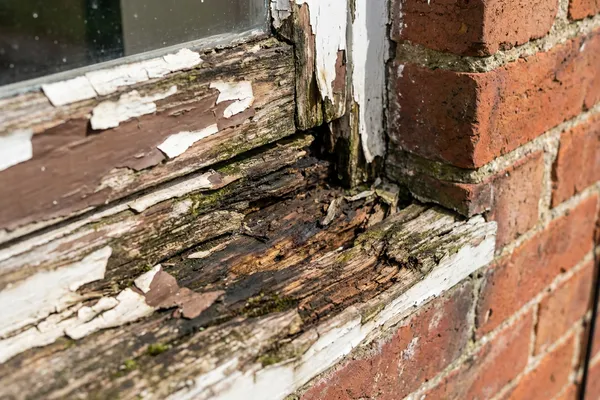
Yes, if it's left unresolved. Prolonged water ingress rots timber like window sills and joists, and damages plaster and decorative finishes. The longer the source goes unfixed, the more expensive the repair tends to be.
How is penetrating damp diagnosed?
By tracing the water back to where it's actually getting in, not just treating where the patch appears. A stain on an internal wall might trace back to a defect several feet away outside, so a proper survey follows the path rather than just patching the visible damage.