
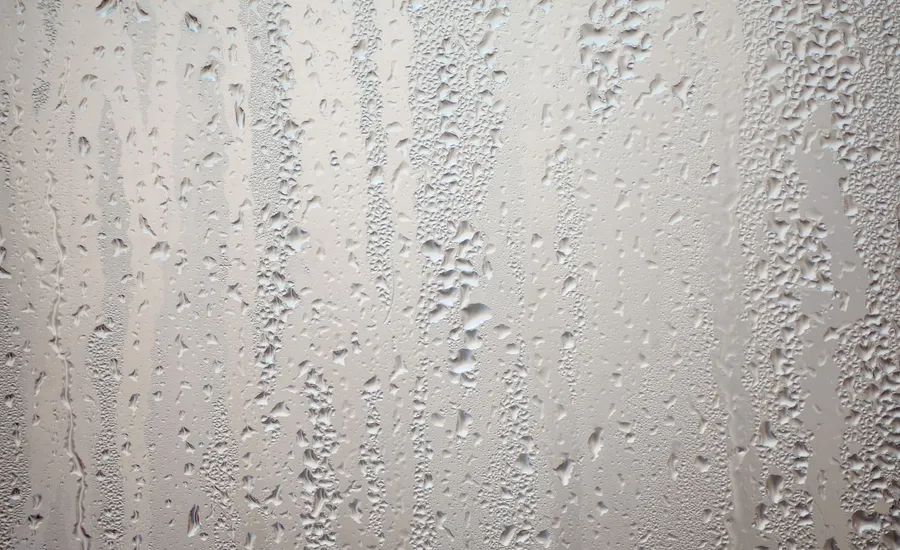
What is condensation damp?
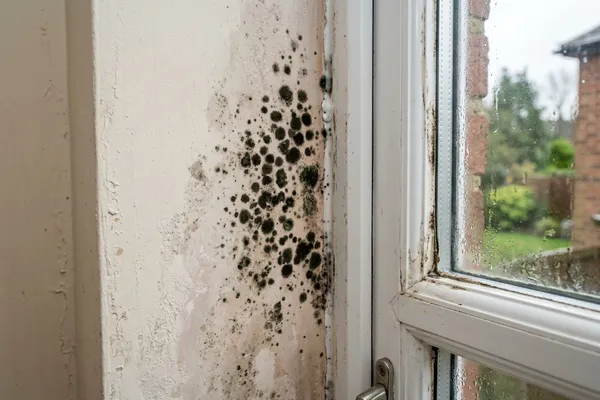
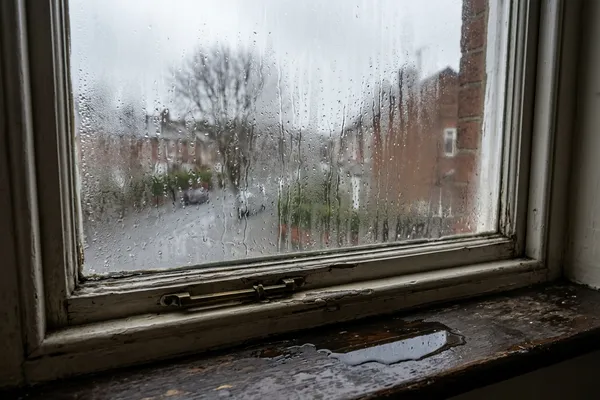
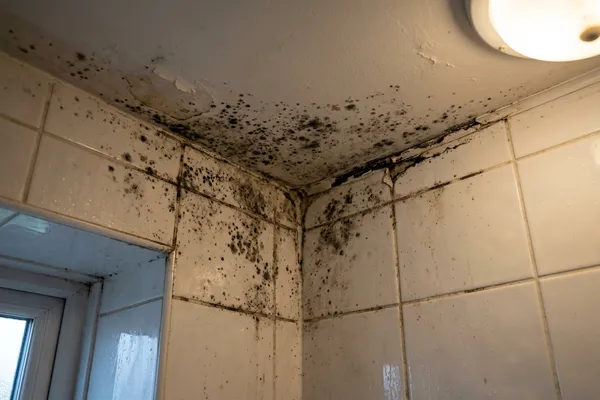
Condensation is, according to the Property Care Association, the most common form of unwanted dampness in UK homes. It happens when moisture already in the air, from cooking, showering, washing clothes and simply breathing, meets a cold surface like a window or an outside wall and turns back into water.
It's a ventilation problem more than anything else. Modern, well-insulated homes with better glazing can actually make it worse, since the draughts an older, leakier house used to lose moisture through are exactly what's been sealed up. Unlike rising or penetrating damp, no new water is getting into the building from outside; it's already there and has nowhere to go.
Signs of condensation
How condensation is treated
For mild, occasional condensation, the Property Care Association's own advice is mostly about habits: dry washing outdoors rather than on radiators, run an extractor fan while cooking or showering, cover pans, and open windows for a burst of ventilation afterwards.
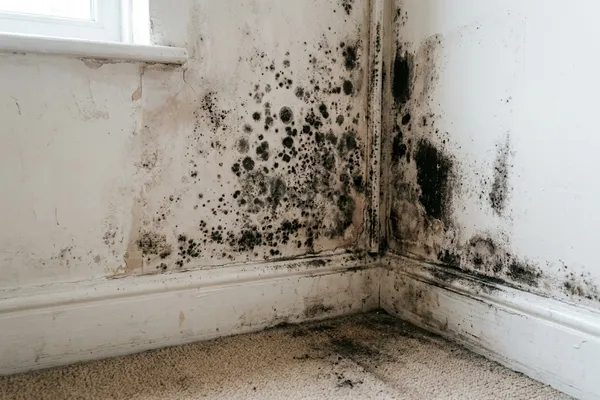
When it keeps coming back despite that, it's worth a proper survey rather than repeatedly wiping mould off the same spot. That usually means identifying where ventilation is genuinely inadequate and fitting something that runs continuously, like a mechanical extract or positive-input ventilation system, rather than relying on habits alone. Our damp proofing cost guide has a real price range for ventilation-based condensation treatment.
How common it is locally
The Welsh Housing Conditions Survey found damp or condensation problems in 7% of Welsh homes overall, rising to 13% in privately rented properties. Condensation forms on the coldest surfaces in a home first, and older, solid-wall properties around Ammanford and the Amman Valley, without a cavity wall's extra layer of insulation, tend to have colder internal wall surfaces than newer builds, which is exactly where it shows up.
Common questions
Is condensation damp serious, or just a nuisance?
It's worth taking seriously, not just wiping off. Left long enough, the Property Care Association notes it can damage plaster and timber and increase the risk of rot, and it can make breathing problems worse. Mild, occasional condensation on a cold morning isn't an emergency; mould that keeps coming back is.
Will opening windows in winter actually help?
Yes, counterintuitive as it feels when it's cold outside. A short burst of ventilation, even ten minutes, lets moisture-laden air out before it settles on cold surfaces. It's most useful straight after cooking or showering, alongside an extractor fan rather than instead of one.
Why does my new, well-insulated home still get condensation?
Better insulation and modern glazing are good for heating bills, but they also seal in moisture that used to escape through the draughts an older, leakier house had. Well-insulated homes still need deliberate ventilation. Trapping heat in without also managing moisture is a common cause.
What's the difference between condensation and rising or penetrating damp?
Condensation is moisture already inside the home, from cooking, showering and breathing, landing on cold surfaces because it has nowhere else to go. Rising and penetrating damp both bring new water into the building from outside, through the ground or through a wall or roof defect. Condensation responds to ventilation; the other two need a physical repair.