
Damp proofing for Betws homes
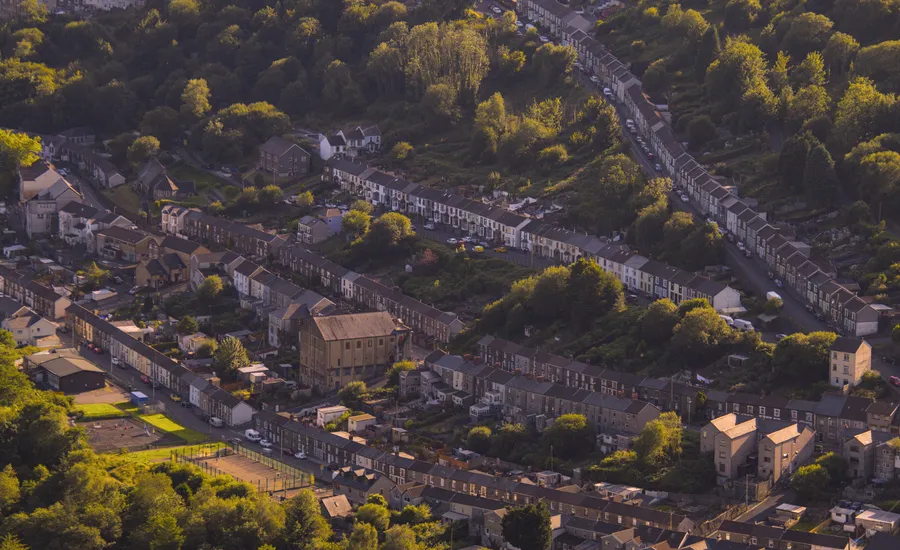
Betws sits right on Ammanford's edge in the Amman Valley, and was historically the larger of the two settlements before Ammanford's own industrial expansion overtook it. St David's parish church dates back to the 14th century, and coal mining shaped the area for over a century, with collieries working the land from 1890 until 1976.
That history shows up in the housing. Betws has a genuine mix: older, colliery-era terraces alongside estates built later, including Caemawr in 1947 and Bwtrimawr in 1976, with former colliery land now being redeveloped for housing too. Older, solid-wall properties without a damp-proof course tend to be more exposed to rising damp than the later estates, but the only way to know for sure in any specific property is a proper survey, not a guess based on the street it's on.
The three types of damp we treat
Common questions
Is Betws part of Ammanford or a separate village?
Both, in a way. Betws sits within Ammanford's wider urban area, but residents maintain a distinction between the two, and Betws was historically the larger settlement before Ammanford's own industrial growth overtook it. We treat it as part of our core service area either way.
Does Betws' older housing make it more prone to damp?
Betws has a real mix: colliery-era terraces from its mining history alongside estates built in 1947 and 1976. Older, solid-wall properties without a modern damp-proof course are generally more exposed to rising damp; a survey is the only reliable way to know what's actually going on in a specific property.